There are only a few accessories as timeless, intimate, expressive, and endlessly adaptable as the scarf. Scarves have evolved from being simple strips of cloth to becoming the ultimate symbol of luxury. They are among the few luxury items that enhance the character of the wearer, becoming deeply personal and subtly powerful when draped, knotted, or wrapped.
From simple cloth to a luxury icon
The origins of the scarf span multiple ancient civilisations, serving both functional and symbolic roles. In the Indus Valley Civilisation, archaeological evidence suggests the use of scarves and head drapes, most notably seen in the iconic 'Priest-King' sculpture, where a patterned cloth is draped across the shoulder.
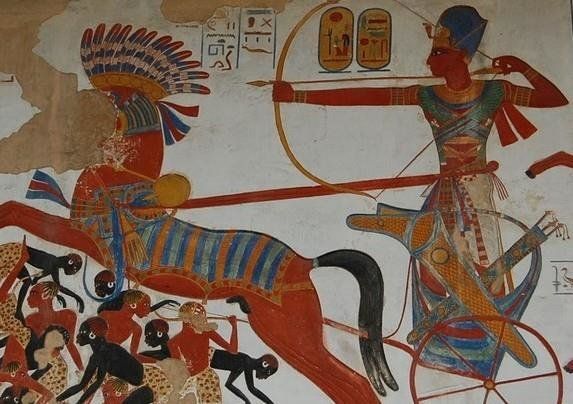
In the ancient Mediterranean world, the scarf also held significance. As early as 1350 BC, Queen Nefertiti is said to have worn a tightly woven scarf under her conical headdress. During the Roman Empire, soldiers used to tie a piece of cloth called a “Sudarium” or a “Focale” around the neck to absorb sweat and protect against chafing armour. The fabric also indicated the soldiers’ social position within the army.
It was during the Middle Ages that nobles and royalty began using scarves made from silk and wool as a fashion accessory, and the fabrics became more sophisticated, incorporating embroidery. Later, during the 17th and 18th centuries, fabrics evolved, as did scarves, from necessity to a status symbol. European royalty and nobility started draping scarves as a mark of luxury.
By the 19th century, the scarf had become a common accessory for both men and women. Textile production got more sophisticated with the Industrial Revolution, allowing for scarves to be fashioned with a greater variety of materials and styles. In the 20th century, with the advent of haute couture, major brands, designers and ateliers began using fine materials, which turned scarves into canvases for colour, pattern, and storytelling.
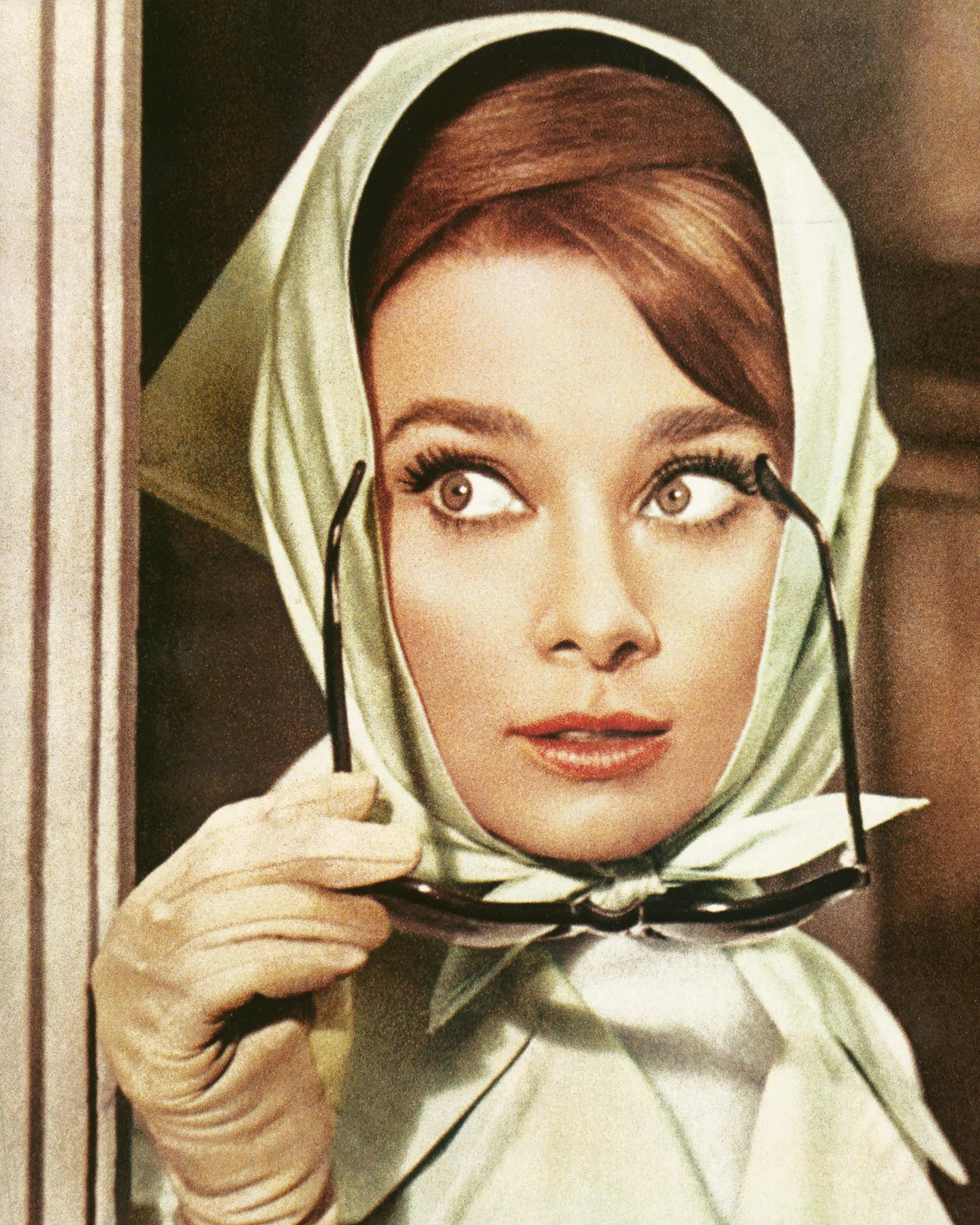
Cinema, royalty, and fashion icons played a crucial role in this evolution. Grace Kelly’s silk headscarves encapsulated old-world sophistication, while Audrey Hepburn’s scarf-tied hair and neck spoke of effortless chic. These moments, captured across magazines and film reels, crystallised the scarf as a symbol of refined taste.
Personalisation and versatility in styling
What makes scarves truly timeless is their personal and versatile nature. One simple piece of cloth can express a multitude of personalities. The same scarf can be a neckerchief one day, a headwrap the next, and a belt or bag accent the day after. That versatility allows people to express their mood and identity without replacing their core wardrobe, simply by changing how and where the scarf is worn. A vibrant square tied tight at the neck can read polished and Parisian; the same piece worn loose over the shoulders can feel relaxed and artistic.
Scarves also invite play, bringing a sense of ease and experimentation. Versatile by nature, they move effortlessly across seasons and settings - from everyday city dressing to travel and evening wear. Their smaller scale encourages expression without commitment and experimentation low-risk. With bolder choices in colour of print, scarves allow the personality to come through subtly. This makes them an approachable yet expressive way to engage with luxury for first‑time buyers and collectors alike.
Iconic ways to tie a scarf
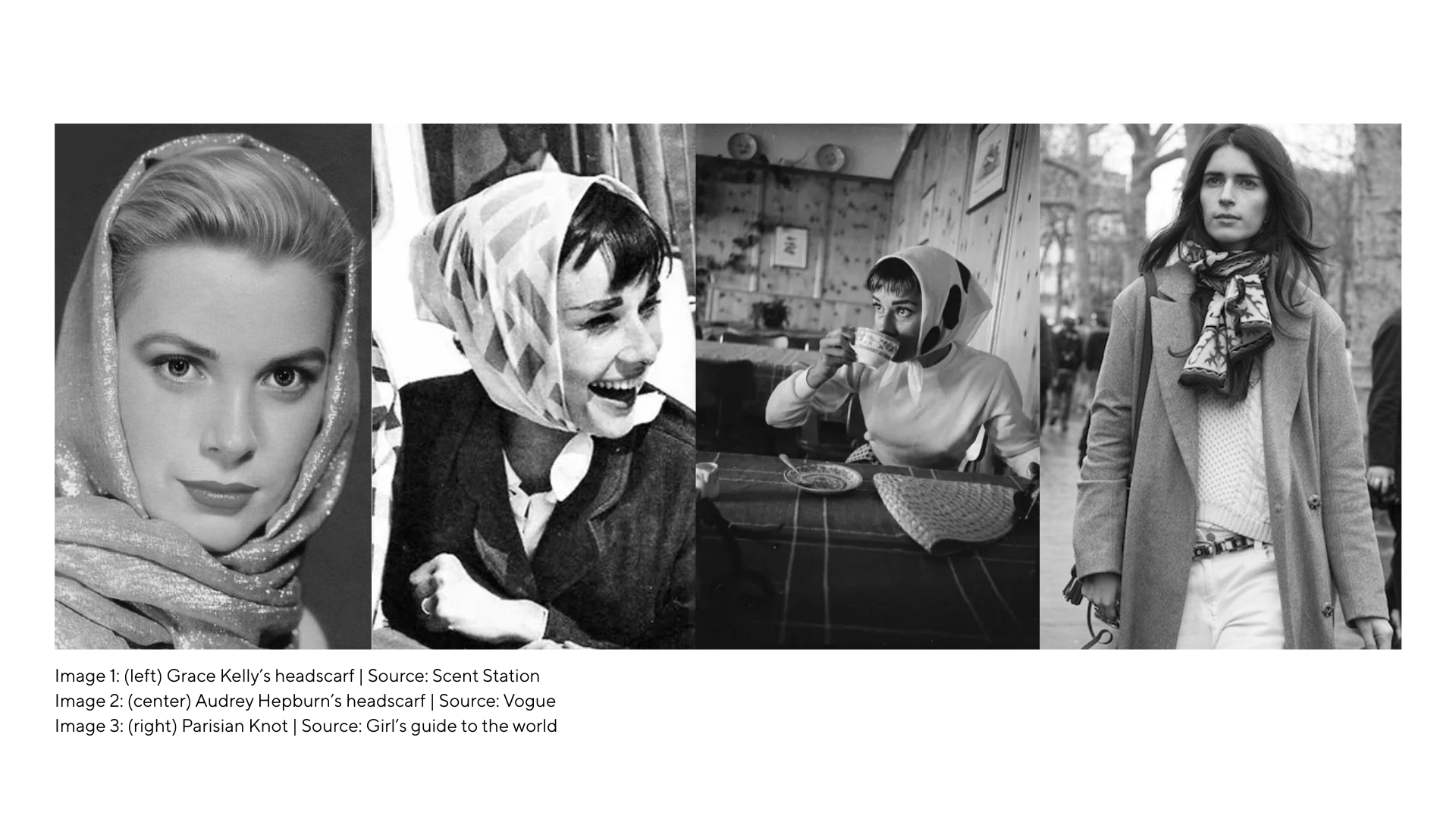
Over the decades, certain scarf styles have been popularised by public figures, designers, and cultural movements:
- The Classic Headscarf: Tied under the chin or at the nape, evoking Grace Kelly’s elegant travel moments.
- The Parisian Knot: A silk scarf softly knotted at the front, a favourite of editors and street style influencers.
- The Audrey Wrap: A scarf over hair with oversized sunglasses, immortalised by Audrey Hepburn.
- The Bandana Revival: A relaxed, modern take embraced by contemporary designers and street fashion.
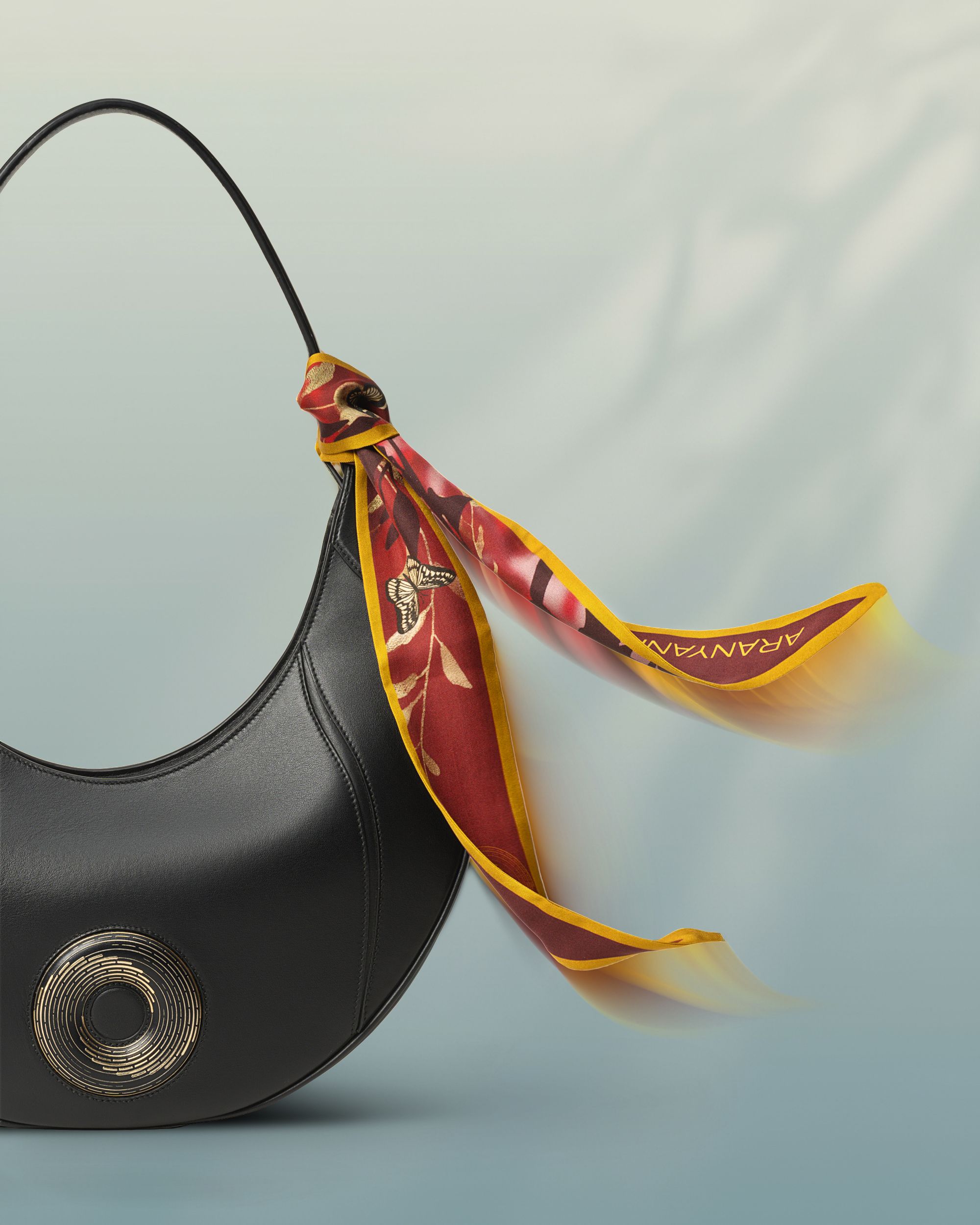
- The Bag Accent: Tied on tote or cross-body handles, adding an instant dose of personality and luxe detailing.
These ties transform a simple square into a signature look, shifting from practical to personal, every day to iconic.
Scarves today: Tradition meets contemporary craft
Modern luxury scarves continue this journey of expression. Brand maisons and ateliers reinterpret classic motifs and materials for the present day, making scarves a staple of both high fashion and personal style.
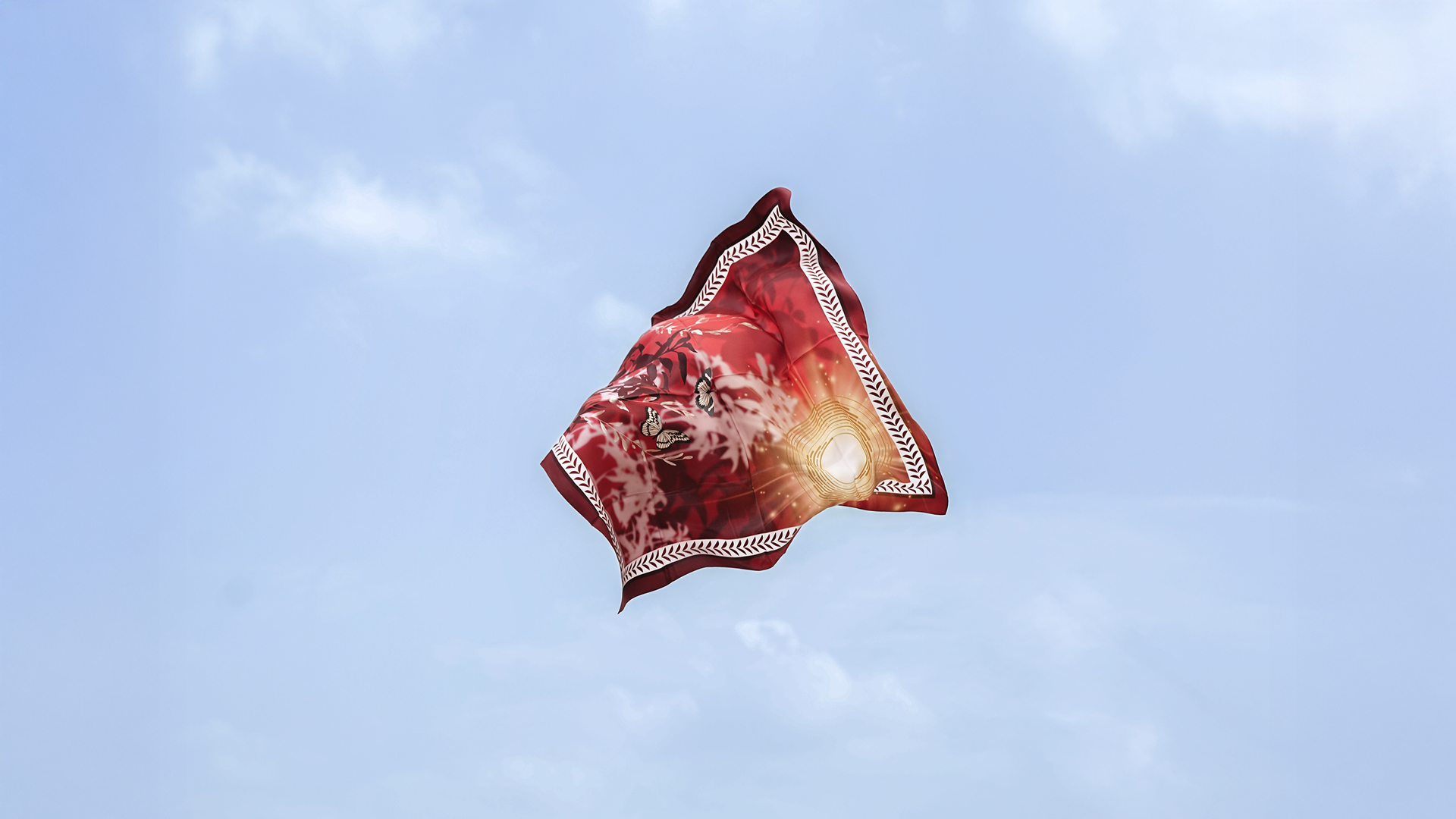
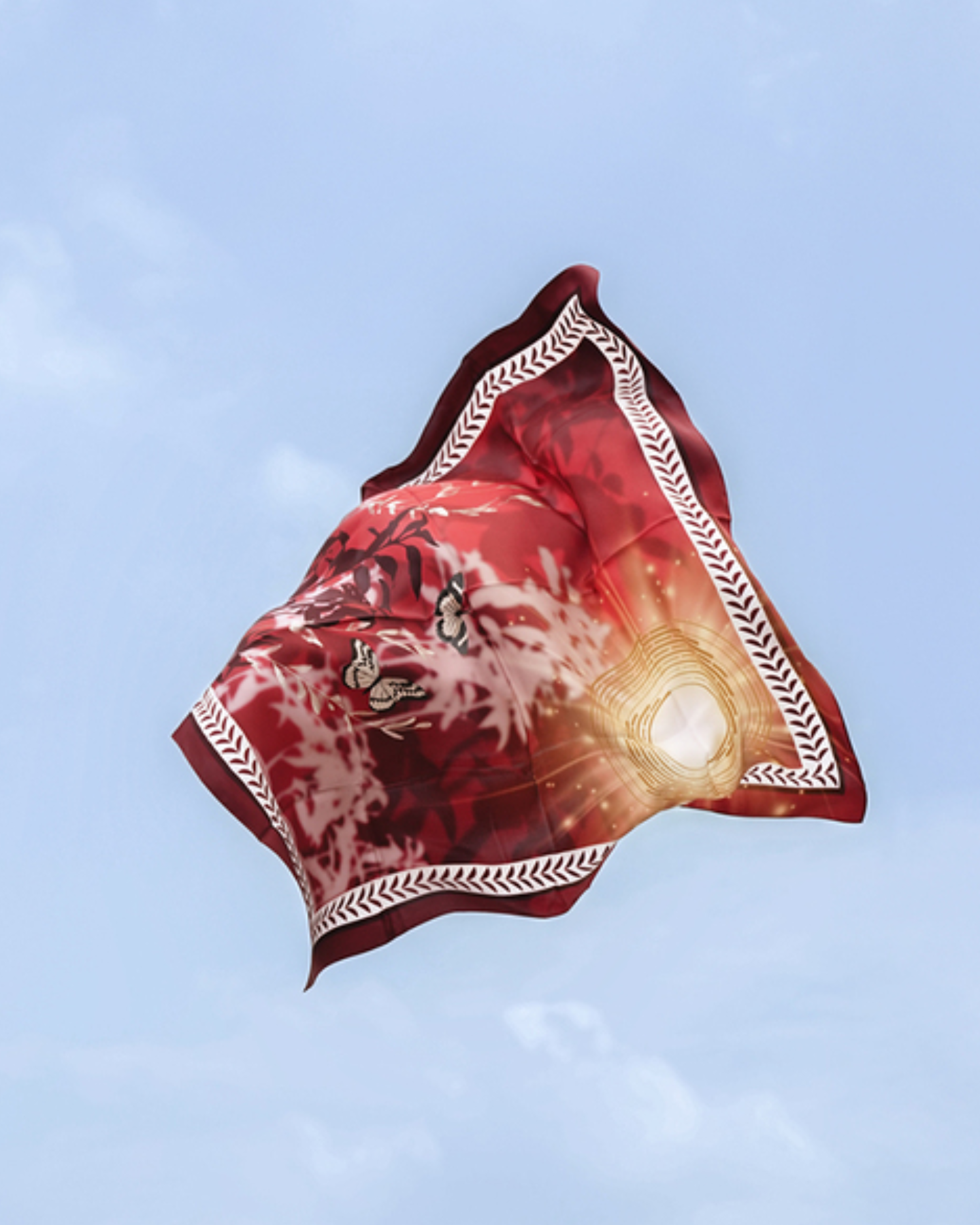
Aranyani’s collection of pure silk scarves, scarf rings, and twillies brings this dialogue beautifully to life. Thoughtfully designed and crafted with elegant printed details, these scarves elevate everyday dressing into something quietly remarkable, inviting wearers to explore identity, movement, and grace in every fold.